
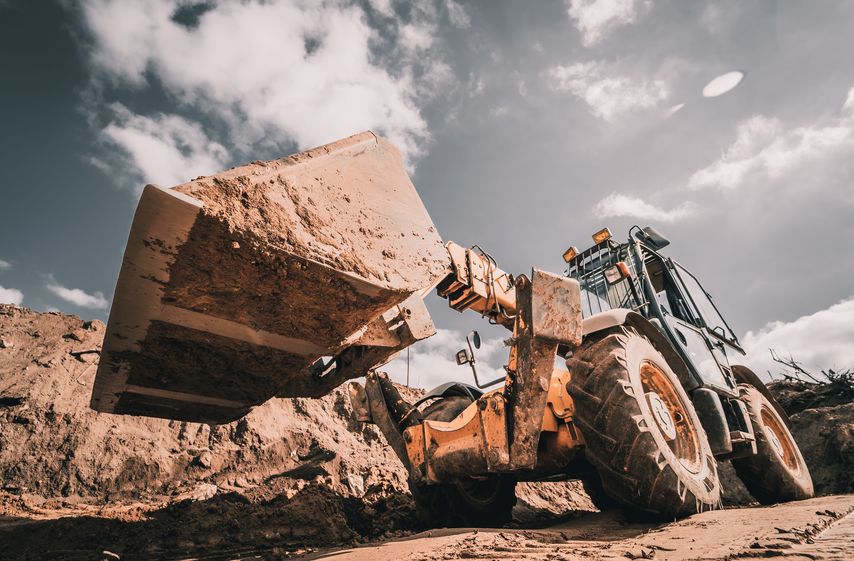
Ground engaging tools are made to take a beating. Every day, bucket teeth, cutting edges, end bits, shanks, and adapters encounter dirt, rock, gravel, and other materials. That constant contact eventually leads to wear, but a good preventive maintenance schedule can help contractors stay ahead of problems instead of dealing with unexpected failures in the middle of a job.
Know What Needs to Be Checked
Start by identifying the ground engaging tools used across your equipment fleet. Depending on the machines you operate, this could include bucket teeth, pins, keepers, cutting edges, side cutters, adapters, shanks, and lip protectors.
Operators should know what normal wear looks like and what could signal a problem. Cracks, loose parts, missing hardware, uneven wear, and significant material loss should all receive attention. A quick inspection can sometimes reveal an issue before it becomes serious enough to stop the machine.
Set a Schedule That Fits Your Work
There is no single maintenance schedule that works for every contractor. How often you inspect ground engaging tools should depend on how frequently the equipment is used and what materials it encounters.
A machine working long shifts in abrasive sand, gravel, or rocky material may need to be checked more often than equipment performing lighter work. It can be helpful to include quick checks during daily equipment inspections along with more detailed examinations at regular service intervals.
Track How Parts Are Wearing
Keeping simple maintenance records can make future planning much easier. Write down when components are installed, inspected, rotated, and replaced. Recording operating hours at the time of replacement can also help you understand how long certain parts typically last.
If a component begins wearing much faster than expected, those records may point to a change in jobsite conditions, operating habits, or another equipment issue that needs attention.
Replace Parts Before They Cause More Damage
Trying to squeeze every possible hour out of a worn component can end up costing more in the long run. Ground engaging tools help protect larger and more expensive parts of the equipment. Allowing a tooth, edge, or protective component to wear too far can expose the bucket, blade, or attachment to unnecessary damage.
Plan for Replacements
Preventive maintenance is easier when replacement parts are already available. Keeping commonly used components on hand can reduce downtime and prevent crews from waiting for parts to arrive.
Texas Contractors Equipment supplies ground engaging tools and wear parts for contractors working in demanding applications. By combining regular inspections, accurate maintenance records, timely replacements, and a reliable parts supply, contractors can keep equipment ready for work and avoid preventable interruptions on the jobsite. Contact us today at 713.776.1212 or visit us online for more information!









Leave a Reply