
Bucket edges do far more than scrape dirt. They control how efficiently your machine cuts into material, how much strain is placed on your equipment, and how often you are stopping work to replace worn parts. Choosing the right edge for the job can make the difference between steady production and constant maintenance.
At Texas Contractors Equipment, we have spent more than 50 years helping contractors match the right ground engaging tools to real jobsite conditions across Texas. Below is a practical breakdown of the most common bucket edge types and how to decide between standard steel and carbide options.
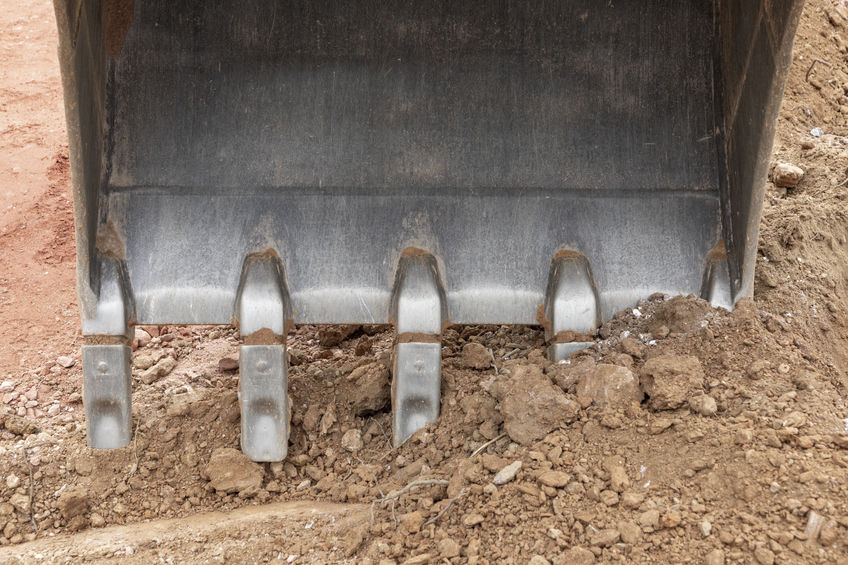
Why the Right Bucket Edge Makes a Difference
Every time your bucket meets the ground; the edge takes the impact. Whether you are working in Houston clay, limestone, road base, or demolition material, the edge determines how easily the bucket penetrates and how long it lasts. A well matched edge reduces fuel consumption, protects the bucket structure, and keeps machines moving instead of sitting for repairs.
Loader Bucket Edges
Loader edges are designed for flexibility. They are commonly used on wheel loaders and compact loaders for everything from stockpiling to cleanup.
Standard steel loader edges are a good fit for general material handling. Dirt, sand, loose gravel, and softer aggregates are where these edges perform best. They are cost effective and easy to replace, making them a popular option for many contractors.
Carbide loader edges are built for abrasion. If your work involves crushed concrete, asphalt millings, or rocky material, carbide inserts can significantly extend edge life. While carbide costs more upfront, many crews see fewer changeouts and less downtime over the life of the edge.
Loader edges are available in different profiles depending on whether penetration or surface finish is the priority.
Dozer Edges
Dozer edges are made to withstand constant ground contact and heavy pushing force. They are thicker than loader edges and designed for demanding applications.
Standard steel dozer edges work well in mixed soil conditions and general earthmoving. They are commonly used for site prep, rough grading, and fill work where impact levels are moderate.
Carbide dozer edges are best suited for highly abrasive environments. Quarry work, limestone, caliche, and demolition jobs quickly wear down standard steel. Carbide options last longer and help reduce the number of edge replacements during long push cycles.
Dozer edges are often paired with replaceable end bits to extend overall wear life.
Motorgrader Edges
Motorgrader edges are all about control and consistency. These edges are used for road construction, maintenance, and fine grading where precision matters.
Standard grader edges are typically used for finish grading and lighter road work. They provide flexibility and a smooth surface when properly maintained and rotated.
Carbide grader edges are preferred for gravel roads, high traffic areas, and abrasive surfaces. They hold their cutting edge longer, which helps maintain grading accuracy and reduces the need for frequent adjustments.
Many grader setups allow sections to be rotated, helping contractors get the most out of each edge.
Scraper Edges
Scraper edges handle high volume earthmoving and see heavy wear over long production cycles. Choosing the right edge is critical to keeping scrapers productive.
Standard scraper edges perform well in softer soils and shorter cycle operations where replacements are planned and frequent.
Carbide scraper edges are a better choice for hard ground and abrasive fill. They provide longer service life and help minimize downtime on large scale jobs where production efficiency is key.
Standard Steel or Carbide: How to Decide
Standard steel edges have a lower initial cost and are easy to change out. They make sense for lighter materials, smaller jobs, and operations where edge replacement is already part of routine maintenance.
Carbide edges cost more upfront but often last several times longer depending on material and application. For high abrasion jobs or operations where downtime is costly, carbide can reduce overall operating expenses.
The right choice depends on material conditions, job duration, and how critical uptime is to your operation.
Built for Texas Jobsite Conditions
Texas job sites vary widely. Clay soils, limestone, sand, recycled road base, and demolition debris all place different demands on bucket edges. That is why having the right edge on hand matters just as much as choosing the right machine.
Texas Contractors Equipment stocks a full range of loader edges, dozer edges, motorgrader edges, scraper edges, end bits, and carbide options to meet those demands. With over 50 years in the industry, our team understands what works in the field.
Get Help Choosing the Right Edge
Bucket edges are not one size fits all. The right selection can improve performance, protect your equipment, and reduce long term costs.
If you are not sure which edge is right for your application, the team at Texas Contractors Equipment is here to help. With deep product knowledge and one of the largest GET inventories in Houston, we can help you find the best solution for your machine and material. Contact Texas Contractors Equipment at 713.776.1212 today or visit us online for more information!









Leave a Reply