
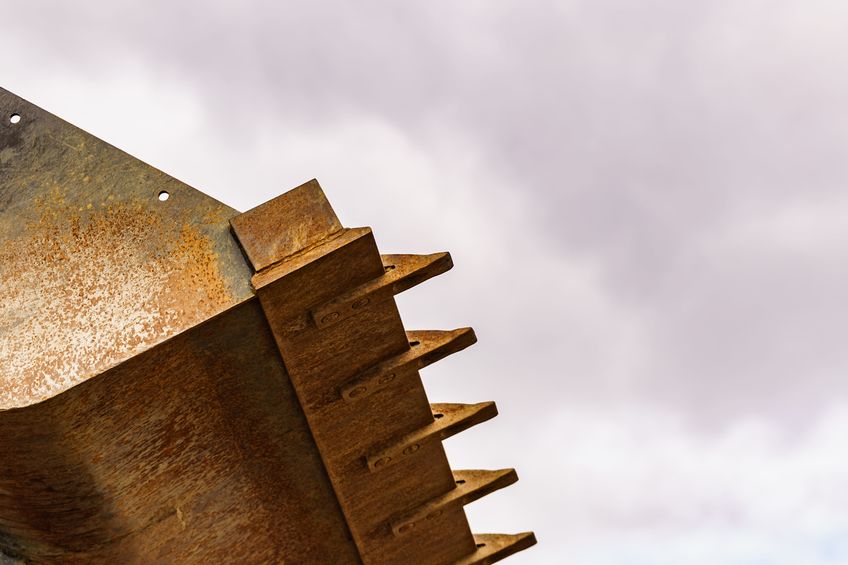
 Cutting edges play an important role in protecting heavy equipment from wear while supporting efficient grading, excavation, and material handling. When it’s time for a replacement, understanding the differences between bolt-on and weld-on cutting edges can help you make the right decision for your equipment and jobsite conditions.
What’s the Difference Between Bolt-On and Weld-On Cutting Edges?
The primary difference is how each cutting edge attaches to the equipment.
Bolt-on cutting edges are secured using bolts and nuts, allowing worn edges to be removed and replaced without cutting or welding. They’re commonly used on loaders, dozers, motor graders, and scrapers with compatible mounting systems. This can simplify replacement and reduce maintenance downtime, although the mounting hardware requires periodic inspection.
Weld-on cutting edges are welded directly to a bucket or other compatible structure. They’re often used on excavator buckets and equipment designed for welded cutting edges. Replacement typically requires removing the worn edge and welding a new one into place, which can involve more labor, specialized expertise, and equipment downtime.
Neither configuration is universally better. The appropriate choice depends on your equipment’s design, operating conditions, and maintenance requirements.
How to Choose the Right Cutting Edge for Your Equipment
Before selecting a replacement, consider these factors:
- Equipment compatibility: Check the manufacturer’s specifications, mounting design, dimensions, and recommended replacement parts. Bolt-on and weld-on edges aren’t necessarily interchangeable.
- Jobsite conditions: Abrasive materials, rocky terrain, and demanding applications can accelerate cutting-edge wear.
- Wear patterns: Uneven wear may indicate operating conditions or equipment issues that deserve attention.
- Edge material: Consider the cutting edge’s material and wear resistance, as different alloys and designs may be better suited to abrasive or high-impact applications.
- Replacement frequency: Frequently replaced bolt-on edges may simplify maintenance when your equipment supports them.
- Installation requirements: Weld-on edges require appropriate welding procedures, equipment, and expertise.
In applications where abrasive materials cause frequent wear, bolt-on edges may offer an advantage by allowing for easier replacement and less downtime. However, many machines are designed for a specific attachment method, so it’s important to confirm compatibility with the manufacturer’s specifications before selecting a replacement.
Regular inspections are equally important. Rounded or excessively worn edges, cracks, loose fasteners, damaged welds, and reduced cutting performance can indicate it’s time for maintenance or replacement.
Addressing these issues early can help prevent unnecessary damage to the underlying equipment.
Find the Right Replacement Cutting Edges for Your Equipment
Choosing the right replacement cutting edges can help protect your machinery, maintain productivity, and reduce unnecessary downtime.
At Texas Contractors Equipment, we’ve supplied ground engaging tools and wear parts since 1974. From loader and dozer cutting edges to motor grader blades and weld-on bucket edges, our team can help you identify components suited to your equipment and application.
Contact us today for assistance selecting replacement cutting edges or requesting a quote.









Leave a Reply