
Excavator bucket teeth are built to handle demanding work, but they don’t last forever. Every time the bucket digs into soil, rock, gravel, or other material, the teeth are exposed to impact and abrasion.
Of course, some wear and tear is to be expected—b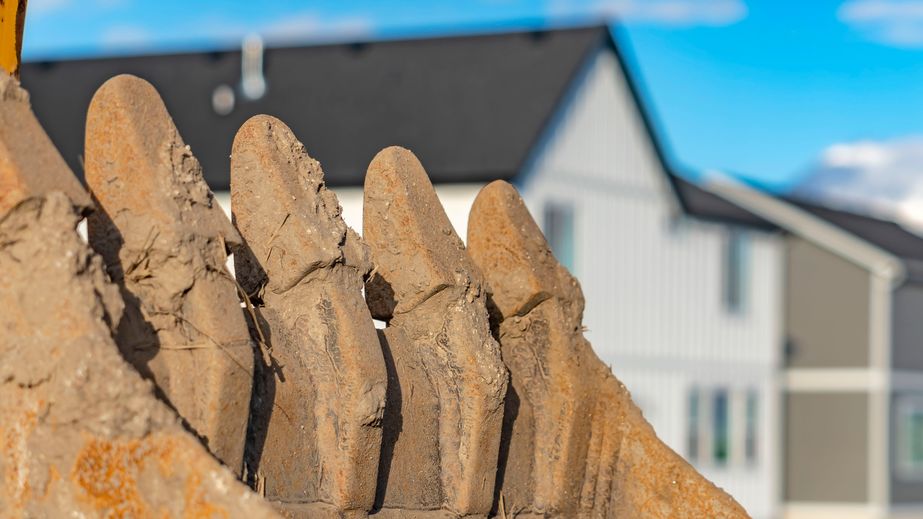 ut knowing when normal wear has gone too far can help maintain digging performance and protect more expensive bucket components.
How Do Worn Bucket Teeth Affect Excavator Performance?
Even if a worn tooth is technically still attached, that doesn’t mean it’s doing its job well.
Sharp, properly fitted bucket teeth help the bucket penetrate material efficiently. As those teeth become rounded and worn, you might notice slower digging, reduced penetration, longer cycle times, or the need to apply more force than usual.
Waiting too long can turn a routine wear-part replacement into a bigger problem. Once a tooth has worn beyond its usable profile, the bucket adapter may begin making direct contact with abrasive material, potentially leading to more costly damage.
What Are the Signs of Worn Excavator Bucket Teeth?
There isn’t necessarily one measurement or number of operating hours that tells you exactly when every tooth needs replacing. Tooth design, application, machine use, and working conditions all influence how quickly bucket teeth and related wear parts wear down.
Common warning signs include:
- Rounded or dull teeth: Teeth that have lost their defined profile may have a harder time penetrating material.
- Excessive or uneven wear: Significant material loss or noticeably different wear from one tooth to another can indicate that it’s time for a replacement.
- Cracks, chips, or breaks: Structural damage can weaken a tooth and increase the chance of failure.
- Loose or missing teeth: A tooth that is loose or missing can affect digging performance and put surrounding components at greater risk of wear.
Spotting these warning signs early can make it easier to replace a wear part before the problem extends farther into the bucket.
When Should You Replace Excavator Bucket Teeth?
How quickly excavator bucket teeth wear depends heavily on what they’re digging through and how the machine is being used. Highly abrasive materials, rocky ground, and demanding excavation applications can accelerate wear compared with softer or less abrasive conditions.
Operating technique matters, too. Repeated impact, side loading, and using teeth in ways they weren’t designed for can contribute to uneven wear or premature damage. That’s why inspection schedules should reflect the actual job rather than relying solely on a set number of operating hours.
When in doubt, comparing the worn tooth with the profile of a new tooth can make material loss easier to recognize.
Ready to Replace Your Excavator Bucket Teeth?
If your excavator bucket teeth are showing their age, don’t wait until wear reaches the more expensive components behind them. Once you’ve determined it’s time for new teeth, the next step is finding the right replacement for your equipment and application.
At Texas Contractors Equipment Inc., we understand that the right components can make a difference when there’s tough work to be done. From replacement bucket teeth to adapters, pins, and keepers, we help keep contractors equipped with the parts needed to keep their equipment working effectively.
With decades of experience helping contractors find components for demanding applications, our team can help take the guesswork out of finding the right replacement. Ready to find the right replacement? Request a quote online or get in touch with our team for help identifying the components you need.









Leave a Reply